3 Leading Remote Patient Monitoring Systems
Review the 3 best remote patient monitoring systems for tracking chronic conditions from home.
3 Leading Remote Patient Monitoring Systems
Review the 3 best remote patient monitoring systems for tracking chronic conditions from home.
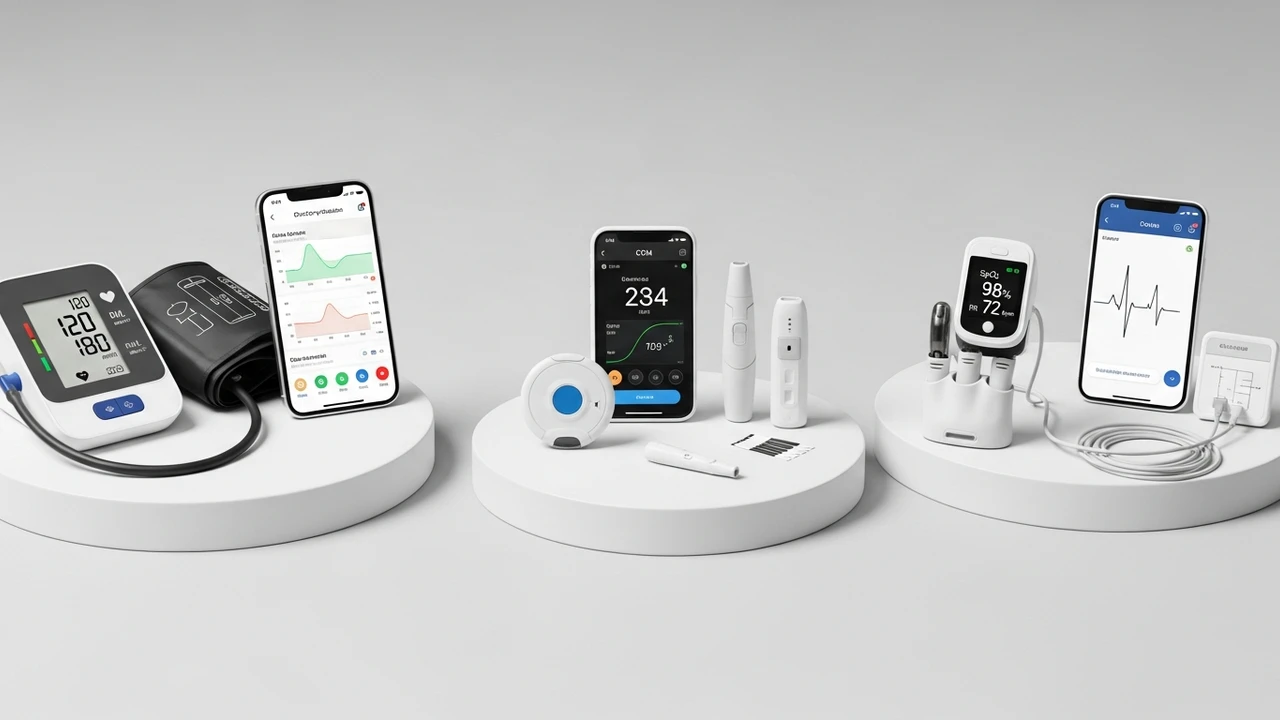
If you have been looking for ways to keep a closer eye on your health or the health of your patients without needing to visit a clinic every single day, you are in the right place. Remote Patient Monitoring (RPM) has completely changed the game for chronic disease management. It is no longer just about fancy hospital equipment; it is about bringing that level of care right into your living room. Let’s dive into the top three systems that are making waves in the US and Southeast Asian markets right now.
Top Remote Patient Monitoring Systems for Chronic Disease Management
When we talk about RPM, we are looking for reliability, ease of use, and how well the data integrates with what your doctor sees. The market is flooded with gadgets, but only a few truly stand out for their clinical accuracy and user experience. Whether you are managing hypertension, diabetes, or heart conditions, these platforms are the gold standard.
1. BioIntelliSense BioButton for Continuous Vital Sign Tracking
The BioButton is a tiny, wearable device that you stick to your chest, and honestly, it is like having a mini-hospital on your skin. It tracks your heart rate, respiratory rate, and skin temperature 24/7. It is incredibly popular in the US for post-discharge monitoring because it is so unobtrusive.
Use Case: Perfect for patients recovering from surgery or those with chronic respiratory issues who need constant monitoring without being tethered to a machine.
Comparison: Unlike traditional blood pressure cuffs that require you to stop what you are doing to take a reading, the BioButton works in the background. It is less invasive than a Holter monitor but provides more continuous data than a standard smartwatch.
Pricing: Typically sold through healthcare providers, but individual subscription models often range from $150 to $300 per month depending on the clinical support package.
2. Dexcom G7 for Real Time Glucose Monitoring
If you are dealing with diabetes, you know the struggle of finger pricks. The Dexcom G7 is a game-changer. It is a small sensor that sends your glucose levels directly to your smartphone. It is fast, accurate, and the app interface is so intuitive that even my grandmother uses it without help.
Use Case: Essential for Type 1 and Type 2 diabetics who need to see how their food intake and exercise affect their blood sugar in real-time.
Comparison: Compared to the FreeStyle Libre, the Dexcom G7 offers more frequent alerts and better integration with insulin pumps. It is the premium choice for those who want the most granular data possible.
Pricing: Usually covered by insurance, but out-of-pocket costs hover around $300 to $400 for a 30-day supply, though many pharmacy discount programs bring this down significantly.
3. Withings Body Pro for Smart Weight and Cardiovascular Health
Withings has been a leader in the consumer health space for a long time, but their Body Pro scale is specifically designed for clinical RPM. It measures weight, body composition, and even vascular age. It connects via cellular networks, so you do not even need Wi-Fi at home.
Use Case: Ideal for patients with congestive heart failure who need to monitor fluid retention or those working on weight management under a doctor's supervision.
Comparison: While other smart scales just show you a number on an app, the Withings Body Pro sends that data directly to the physician's dashboard. It is much more reliable than a standard Bluetooth scale because it does not rely on the patient's phone connection.
Pricing: Often provided by clinics as part of a care program, but retail units are priced around $199, with monthly service fees for the cellular connectivity and data reporting.
Choosing the Right RPM Platform for Your Needs
Picking the right system really comes down to what you are trying to track. If it is heart health, go with something like BioIntelliSense. If it is metabolic health, Dexcom is the clear winner. For general wellness and weight management, Withings is hard to beat. The most important thing is that these tools are meant to bridge the gap between you and your doctor, making those check-ups much more productive and less stressful for everyone involved.
:max_bytes(150000):strip_icc()/277019-baked-pork-chops-with-cream-of-mushroom-soup-DDMFS-beauty-4x3-BG-7505-5762b731cf30447d9cbbbbbf387beafa.jpg)