3 Leading Synthetic Biology Platforms for Drug Discovery
Review the 3 top synthetic biology platforms that are accelerating the drug discovery process for global biotech firms.
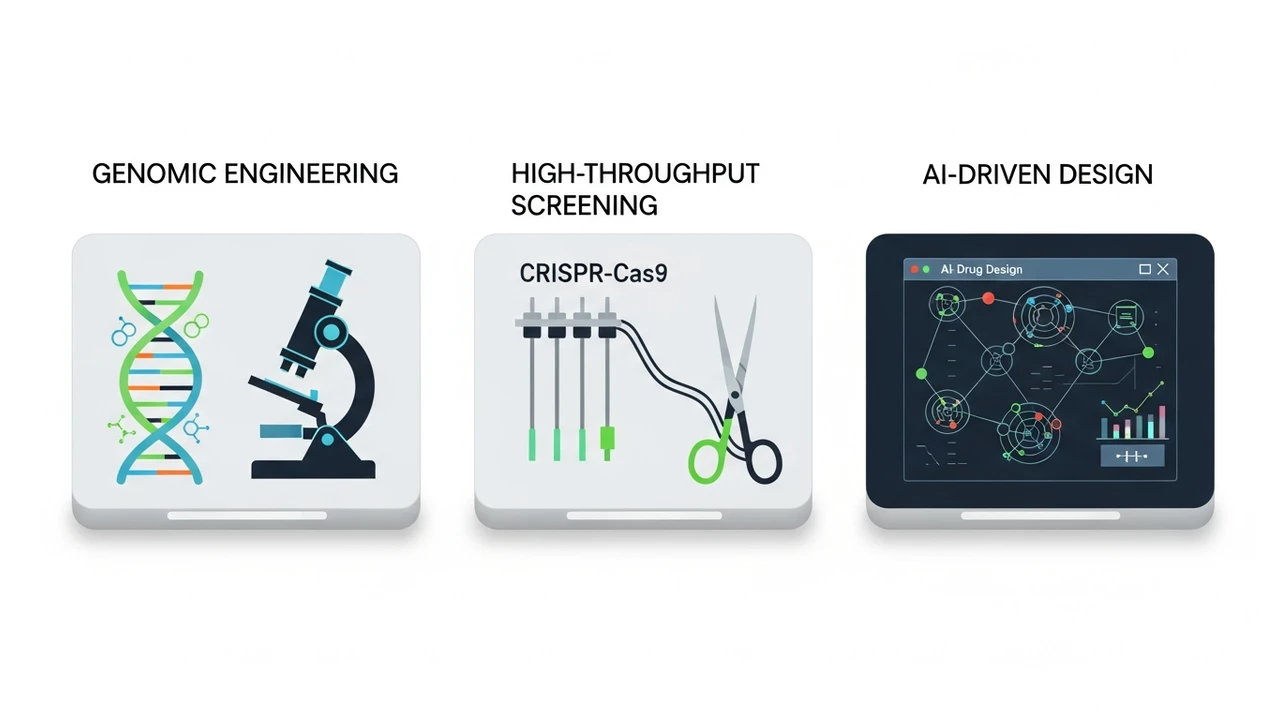
Review the 3 top synthetic biology platforms that are accelerating the drug discovery process for global biotech firms.
3 Leading Synthetic Biology Platforms for Drug Discovery
If you have been keeping an eye on the biotech scene lately, you know that synthetic biology is no longer just a buzzword. It is the engine room of modern drug discovery. We are moving away from the old-school, trial-and-error methods of finding new medicines and stepping into a world where we can actually design biological systems to do the heavy lifting for us. Whether you are a researcher in a lab in Boston or a biotech startup founder in Singapore, understanding which platforms are actually worth your time is crucial. Today, we are diving deep into the top three synthetic biology platforms that are changing the game.
Ginkgo Bioworks Cell Programming Platform for Drug Development
Ginkgo Bioworks is essentially the 'foundry' of the synthetic biology world. Think of them as a massive, automated factory for biology. Instead of building cars, they build custom microbes. For drug discovery, this is a massive deal because they can engineer cells to produce complex molecules that would be nearly impossible to synthesize using traditional chemistry.
Use Cases: Their platform is heavily used for the discovery of novel enzymes and the production of difficult-to-manufacture therapeutic proteins. If you are working on a complex biologic, Ginkgo’s ability to iterate through thousands of genetic designs in their automated labs is a huge time-saver.
Comparison: Unlike smaller, niche platforms, Ginkgo offers a 'horizontal' approach. They have a massive library of genetic parts and a proprietary codebase that allows them to tackle almost any biological problem. The downside? It is not exactly cheap. You are looking at multi-million dollar partnerships, making it more suitable for big pharma or well-funded biotech ventures.
Twist Bioscience DNA Synthesis and Library Generation
If Ginkgo is the factory, Twist Bioscience is the supplier of the high-quality raw materials. Their silicon-based DNA synthesis platform is incredibly fast and precise. In drug discovery, you need to test thousands of variants of a potential drug candidate, and Twist makes that possible by providing high-throughput, high-fidelity DNA libraries.
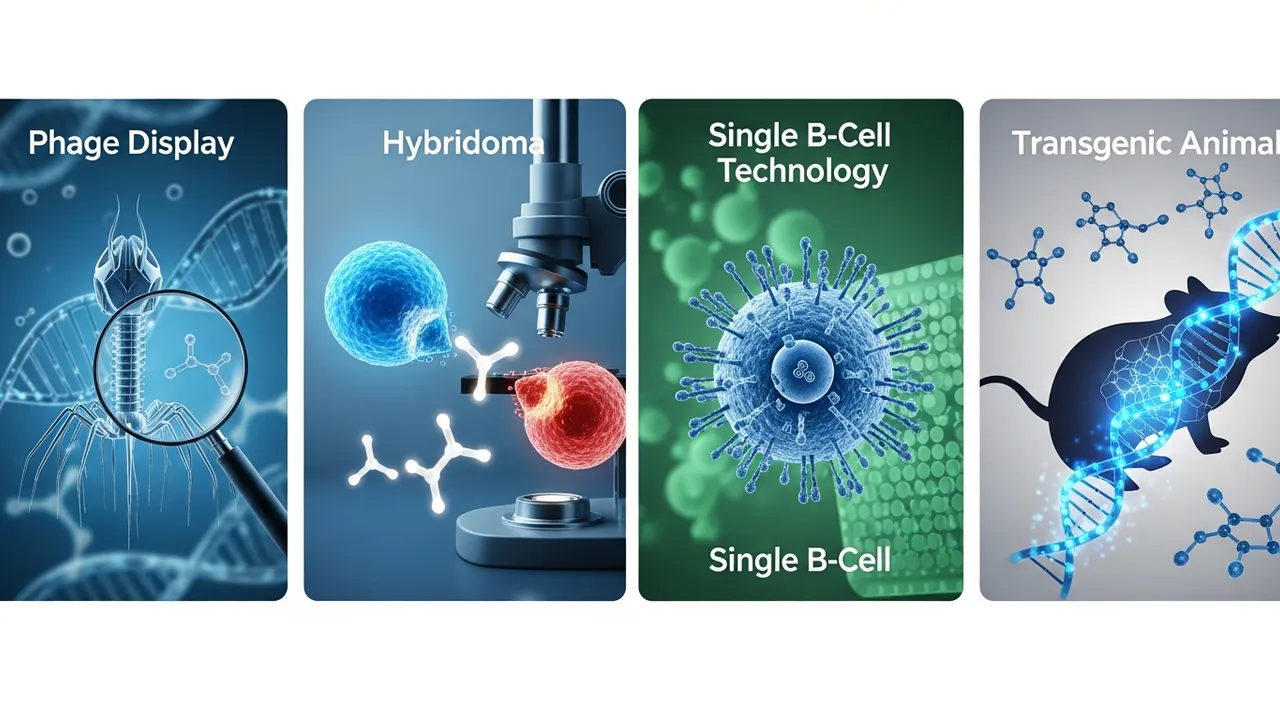
Use Cases: They are the go-to for antibody discovery. By synthesizing massive libraries of antibody variants, researchers can screen for the ones that bind most effectively to a target. It is also widely used in CRISPR research to create custom guide RNAs.
Comparison: Twist is much more accessible than a full-service foundry. You can order specific sequences online, and they show up at your lab bench. Pricing is transparent, often starting from a few hundred dollars for basic synthesis, scaling up based on the complexity and volume of the library. It is the perfect tool for labs that want to keep their R&D in-house but need the speed of industrial-scale synthesis.
Benchling R&D Cloud for Synthetic Biology Data Management
You can have the best robots and the best DNA, but if your data is a mess, your drug discovery project is going to stall. Benchling is the digital backbone of synthetic biology. It is a cloud-based platform that integrates everything from electronic lab notebooks to inventory management and sequence design.
Use Cases: It is used by almost every major biotech firm to track the lineage of their engineered cells. When you are doing synthetic biology, you are constantly modifying DNA, and Benchling keeps a perfect record of every change, which is vital for regulatory compliance and reproducibility.
Comparison: While Ginkgo and Twist are about 'doing' the science, Benchling is about 'managing' it. It is the glue that holds the workflow together. They offer tiered pricing, with free versions for academic labs and enterprise subscriptions for large companies that can run into the tens of thousands of dollars annually. It is an essential investment if you want to scale your research without losing your mind in spreadsheets.
Choosing the Right Platform for Your Biotech Workflow
When you are deciding which of these to integrate into your pipeline, think about where your bottleneck is. Is it the physical creation of DNA? Go with Twist. Is it the need for a massive, outsourced biological engineering project? Look at Ginkgo. Is it the chaos of managing your team's data and experiments? Benchling is your best friend. Most successful firms actually end up using a combination of all three, creating a seamless loop of design, build, test, and learn that keeps them ahead of the competition in the fast-paced world of drug discovery.
:max_bytes(150000):strip_icc()/277019-baked-pork-chops-with-cream-of-mushroom-soup-DDMFS-beauty-4x3-BG-7505-5762b731cf30447d9cbbbbbf387beafa.jpg)