3 Top Benefits of AI in Nursing Care
Discover the 5 most effective AI solutions for bringing quality care to rural areas.
5 Best AI Solutions for Rural Healthcare
Discover the 5 most effective AI solutions for bringing quality care to rural areas.
Living in a remote area shouldn't mean you get second-rate medical attention. For millions of people across the US and Southeast Asia, the nearest specialist is often hours away. This is where AI is stepping in to bridge the gap. We are seeing a massive shift in how rural clinics operate, moving from basic triage to high-tech diagnostic hubs thanks to smart algorithms. Let's dive into the tools that are actually making a difference on the ground.
AI Diagnostic Imaging Tools for Remote Clinics
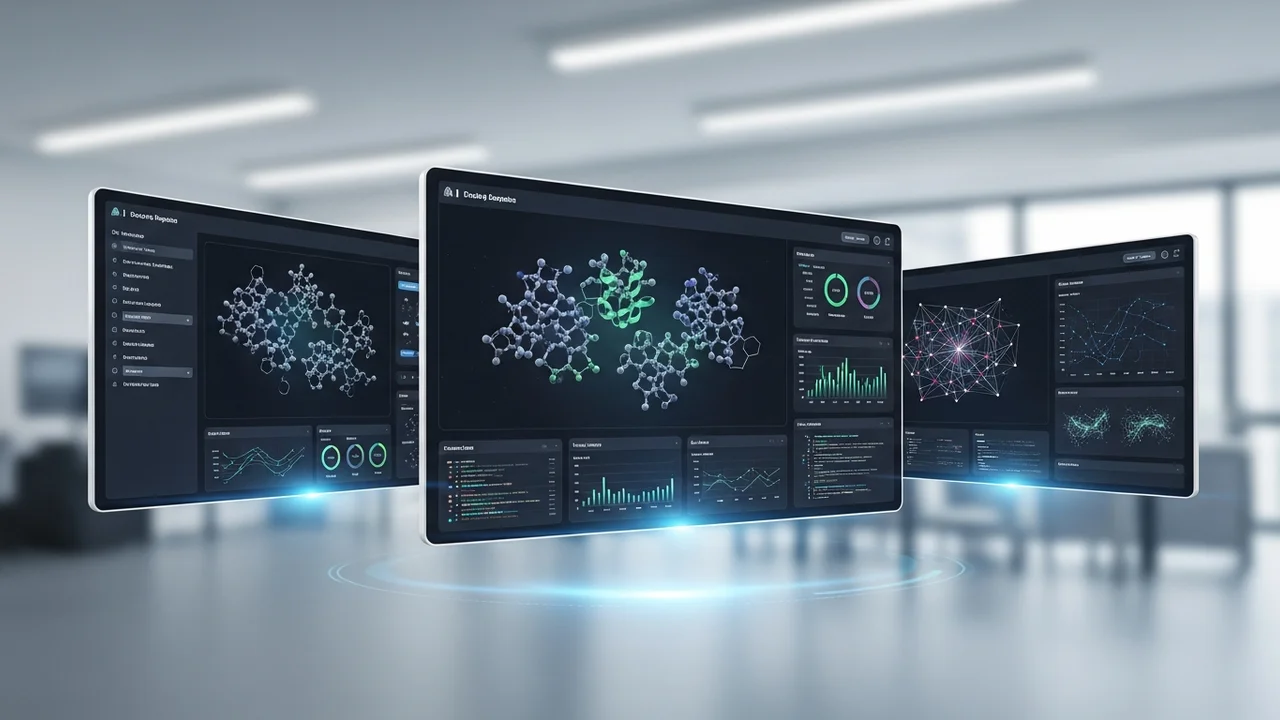
One of the biggest hurdles in rural medicine is the lack of radiologists. When a patient gets an X-ray or a CT scan in a small town, it might take days to get a report. AI imaging tools like Viz.ai or Aidoc are changing that. These platforms act as a second set of eyes, flagging critical issues like strokes or lung nodules in seconds. For a rural doctor, this means they can prioritize a patient for transfer before the condition worsens. These tools typically integrate directly into existing PACS systems, making them easy to deploy without needing a massive IT overhaul. Pricing usually follows a subscription model, often ranging from $10,000 to $50,000 annually depending on the volume of scans.
Telemedicine Platforms with AI Triage
Telemedicine is great, but it can be overwhelming for doctors to sift through hundreds of patient requests. Platforms like Babylon Health or Ada Health use AI-driven symptom checkers to triage patients before they even speak to a human. This ensures that the most urgent cases get to the front of the line. In Southeast Asia, where mobile penetration is high but doctor density is low, these apps are lifesavers. They help patients understand if they need an emergency room visit or if they can manage their symptoms at home. Most of these platforms offer tiered pricing, with basic versions being free for patients and enterprise licenses for clinics starting around $5,000 per year.
Remote Patient Monitoring and Wearable AI
Managing chronic conditions like diabetes or hypertension is tough when you live far from a hospital. Wearable AI devices, such as those from Biofourmis or Current Health, allow doctors to monitor vitals in real-time. If a patient’s heart rate spikes or oxygen levels drop, the system alerts the clinical team immediately. This is a game-changer for elderly patients in rural settings. It keeps them out of the hospital while ensuring they are safe. These systems are often sold as a package including the hardware and the monitoring software, with costs typically starting at $200 per patient per month.
AI-Powered Point of Care Ultrasound
Handheld ultrasound devices like Butterfly iQ have brought imaging to the palm of a doctor's hand. When you add AI guidance to these devices, even a general practitioner in a remote village can perform high-quality scans. The AI helps the user position the probe correctly and interprets the images to identify common issues like gallstones or pregnancy complications. It’s like having a specialist in your pocket. The Butterfly iQ+ is incredibly affordable, often retailing for under $3,000, making it accessible for even the smallest rural practices.
AI Chatbots for Public Health Outreach
Sometimes the biggest challenge in rural healthcare is education and basic navigation. AI chatbots, such as those developed by Haptik or various open-source health bots, can provide 24/7 support for common health questions. They can remind patients about vaccination schedules, explain medication side effects, and help schedule appointments. By automating these routine tasks, rural clinic staff can focus on actual patient care. These solutions are highly scalable and can be customized for local languages, which is vital for the diverse markets in Southeast Asia. Implementation costs vary widely, but many cloud-based solutions start as low as $1,000 per month.
Comparing the Top Rural AI Solutions
When you look at these tools side-by-side, it’s clear that there isn't a one-size-fits-all answer. If your clinic struggles with diagnostic delays, imaging AI is your priority. If you are dealing with a high volume of chronic disease patients, remote monitoring is the way to go. The cost of entry is dropping, but you have to consider the infrastructure requirements. For instance, remote monitoring requires reliable internet, which can be a challenge in some rural pockets. Always look for vendors that offer offline capabilities or low-bandwidth modes. The goal is to pick a tool that solves your most pressing pain point without adding unnecessary complexity to your daily workflow.
:max_bytes(150000):strip_icc()/277019-baked-pork-chops-with-cream-of-mushroom-soup-DDMFS-beauty-4x3-BG-7505-5762b731cf30447d9cbbbbbf387beafa.jpg)