3 Best Virtual Reality Therapy Platforms
Compare the 3 most innovative VR therapy platforms for mental health and physical rehabilitation.
3 Best Virtual Reality Therapy Platforms
Compare the 3 most innovative VR therapy platforms for mental health and physical rehabilitation.
If you have been keeping an eye on the intersection of healthcare and technology, you have probably noticed that Virtual Reality (VR) is no longer just for gaming. It is making massive waves in the medical world, specifically in mental health and physical rehab. We are talking about immersive environments that can help someone overcome a phobia, manage chronic pain, or regain motor function after a stroke. It is pretty wild how putting on a headset can trick your brain into healing faster or facing fears in a safe, controlled space. Today, we are diving deep into the top three VR therapy platforms that are currently leading the charge in the US and Southeast Asian markets.
Understanding VR Therapy Platforms for Mental Health and Physical Rehabilitation
VR therapy works by creating a simulated environment that allows patients to interact with scenarios that would be too expensive, dangerous, or impossible to recreate in real life. For mental health, this means exposure therapy for PTSD or anxiety. For physical rehab, it means gamifying repetitive exercises so patients actually want to do them. The key here is the 'presence' factor—the feeling that you are actually 'there' in the virtual world, which triggers real physiological and psychological responses.
Top 3 VR Therapy Platforms Comparison
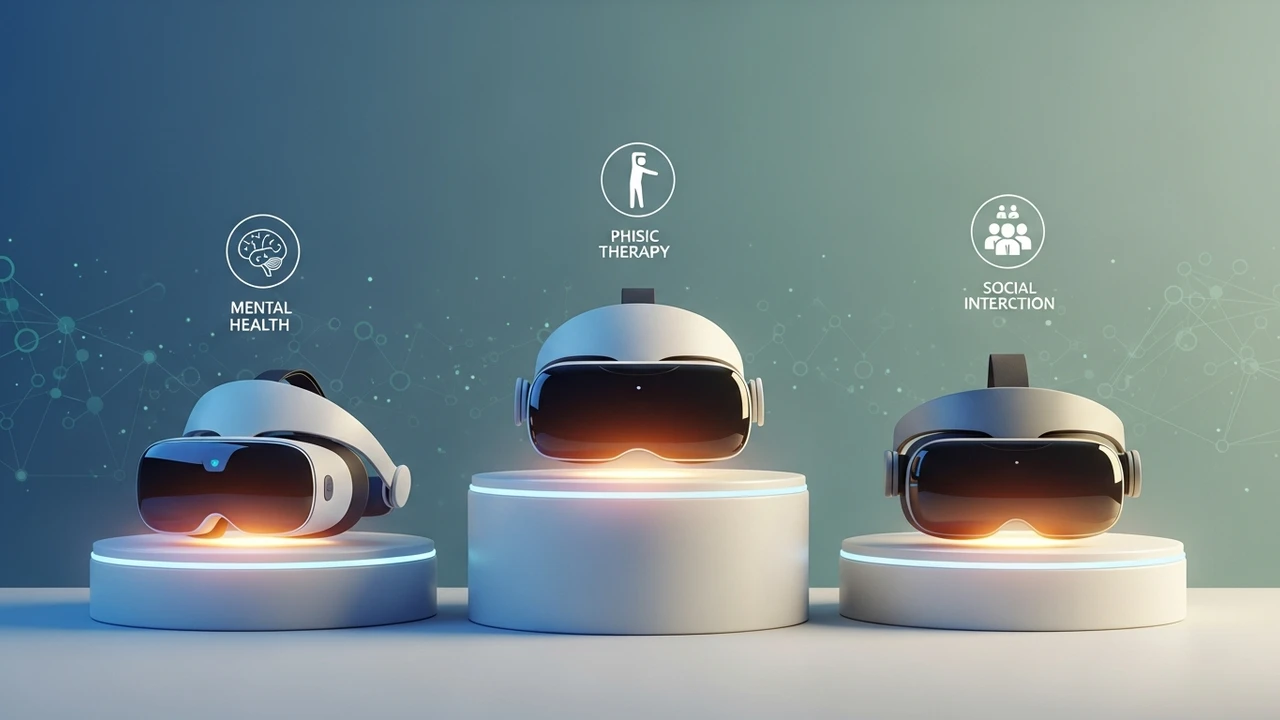
Let’s look at the heavy hitters. First up is Psious, which is a massive player in the mental health space. They offer a huge library of environments for anxiety, phobias, and even mindfulness. Then there is AppliedVR, which is heavily focused on pain management and has actually received FDA authorization for some of its programs. Finally, we have MindMaze, which is the gold standard for neuro-rehabilitation, helping stroke survivors get back on their feet.
Deep Dive into Psious for Anxiety and Phobia Treatment
Psious is basically the Swiss Army knife of VR therapy. If you are a clinician, you get a dashboard where you can control exactly what the patient sees. If they are afraid of flying, you can start them in a calm airport terminal and slowly ramp up the intensity to takeoff. It is incredibly intuitive. The pricing usually follows a subscription model for clinics, often starting around $200-$300 per month depending on the license tier. It is widely used in private practices across the US and is gaining traction in Singapore and Malaysia for its ease of use.
AppliedVR and the Future of Chronic Pain Management
AppliedVR is doing something different. They are not just about phobias; they are about replacing opioids. Their platform, EaseVRx, uses cognitive behavioral therapy (CBT) principles inside a VR headset to help patients manage chronic lower back pain. It is a game-changer. The hardware is usually provided as part of a clinical package, and while it is a medical device, the cost-effectiveness compared to long-term pain medication is a huge selling point for hospitals. You are looking at a system that integrates directly into the patient's home care plan.
MindMaze for Neuro-Rehabilitation and Stroke Recovery
When it comes to physical rehab, MindMaze is the one to beat. Their MindMotion GO system is brilliant. It uses motion capture to track the patient's movements and translates them into a game. If you are recovering from a stroke and need to improve your arm mobility, you might be playing a game where you have to reach out and 'pop' virtual bubbles. It makes the boring, repetitive work of physical therapy feel like play. It is a bit more of an investment, often requiring a dedicated space in a clinic, but the clinical outcomes for motor recovery are hard to argue with.
How to Choose the Right VR Therapy Solution for Your Clinic
Choosing the right platform really comes down to your patient demographic. If you are a psychologist, Psious is a no-brainer. If you are running a pain management clinic, look at AppliedVR. If you are a physical therapist or a neurologist, MindMaze is going to be your best friend. Think about the hardware requirements too—some of these run on standalone headsets like the Meta Quest, while others need a dedicated PC and sensor setup. Always check if the platform is compliant with local data privacy laws like HIPAA in the US or PDPA in Southeast Asia, as you are dealing with sensitive patient health data.
The Cost and Implementation of VR Therapy Systems
Implementation is easier than you think. Most of these companies provide training for your staff. The initial cost can range from a few thousand dollars for a basic setup to tens of thousands for a full-scale neuro-rehab suite. However, when you factor in the reduction in patient drop-out rates and the increased efficiency of therapy sessions, the ROI starts to look very attractive. Many clinics are now offering VR therapy as a premium service, which helps offset the hardware costs pretty quickly.
Future Trends in Virtual Reality Healthcare Technology
We are just scratching the surface. Soon, we will see more AI integration where the VR environment adapts in real-time to the patient's heart rate or stress levels. Imagine a therapy session that gets easier or harder based on your biometric feedback. That is where we are heading. The barrier to entry is dropping, the headsets are getting lighter, and the software is getting smarter. It is an exciting time to be involved in this space, whether you are a provider looking to upgrade your clinic or a patient looking for new ways to heal.
:max_bytes(150000):strip_icc()/277019-baked-pork-chops-with-cream-of-mushroom-soup-DDMFS-beauty-4x3-BG-7505-5762b731cf30447d9cbbbbbf387beafa.jpg)