3 Top Digital Therapeutics Platforms
Compare the 3 best digital therapeutics platforms that use software to treat medical conditions.
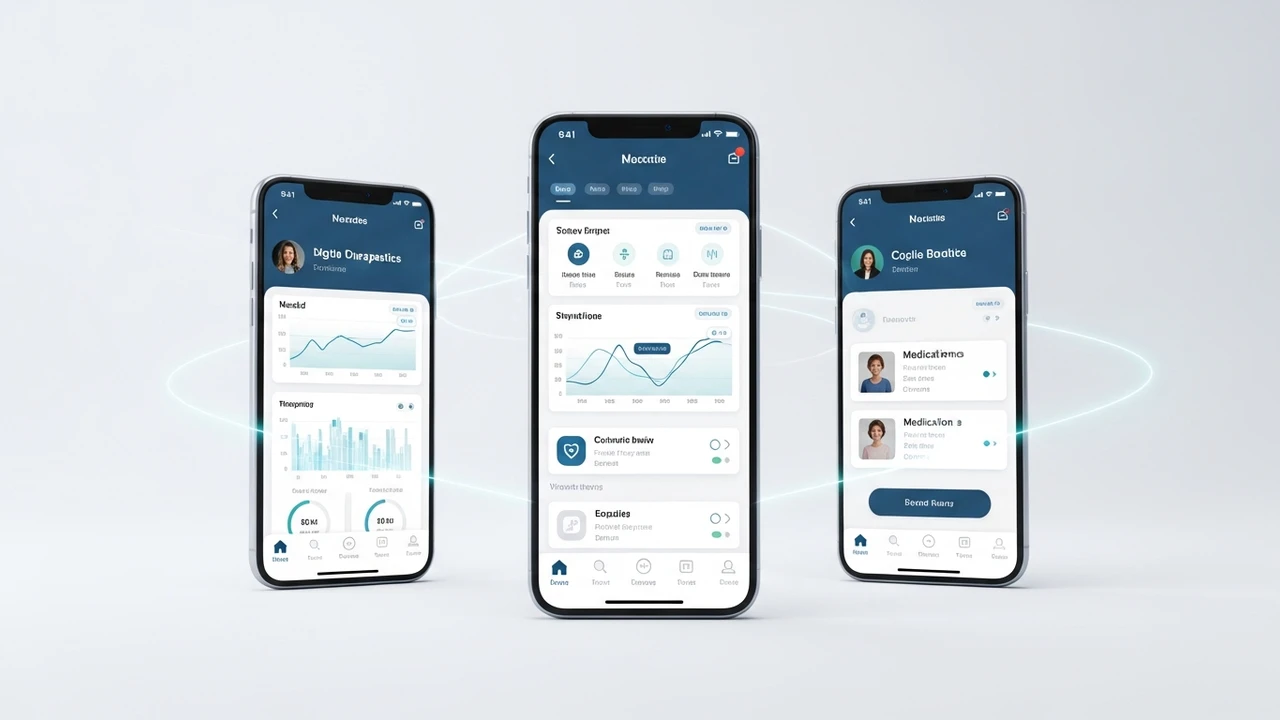
3 Top Digital Therapeutics Platforms
Compare the 3 best digital therapeutics platforms that use software to treat medical conditions.
If you have been keeping an eye on the healthcare scene lately, you have probably heard the term Digital Therapeutics, or DTx, thrown around a lot. It is not just another fitness app that counts your steps or reminds you to drink water. We are talking about evidence-based, software-driven interventions that are actually designed to prevent, manage, or treat specific medical disorders. It is a massive shift from traditional medicine, and honestly, it is pretty exciting to see how software is becoming a legitimate prescription.
Understanding the Rise of Digital Therapeutics Platforms
The core idea here is that software can change behavior, and by changing behavior, we can treat chronic conditions like insomnia, diabetes, or even substance use disorders. Unlike wellness apps, these platforms go through rigorous clinical trials and often require regulatory clearance, like FDA approval. For patients in the US and Southeast Asia, this means access to high-quality care without always needing to step into a physical clinic. It is about meeting the patient where they are—on their smartphone.
Top 3 Digital Therapeutics Platforms for Clinical Treatment
When we look at the market, three names really stand out for their clinical validation and user experience. Let’s break them down.
1. Pear Therapeutics (ReSET)
Pear Therapeutics has been a pioneer in this space. Their flagship product, reSET, is designed for patients with substance use disorders. It uses Cognitive Behavioral Therapy (CBT) to help patients stay in treatment and reduce their substance use. It is essentially a digital companion that provides lessons, rewards, and tracking tools. It is incredibly effective because it keeps the patient engaged between therapy sessions. In terms of pricing, it is usually covered by insurance or provided through healthcare systems, but for private clinics, the licensing can range from $500 to $1,500 per patient per course depending on the scale.
2. Akili Interactive (EndeavorRx)
If you have ever thought that video games could be medicine, Akili Interactive is proving you right. EndeavorRx is the first FDA-cleared video game treatment for children with ADHD. It targets the neural systems in the brain that control attention. Instead of just taking a pill, kids play a game that is specifically designed to improve their focus. It is a game-changer for parents who are hesitant about medication. The cost is typically managed through prescription programs, but out-of-pocket costs for a 3-month treatment cycle often hover around $450.
3. Big Health (Sleepio)
Sleepio is a fantastic platform for anyone struggling with insomnia. It uses a digital version of CBT for Insomnia (CBT-I) to help users understand their sleep patterns and break the cycle of sleepless nights. It is highly personalized, asking you questions about your sleep habits and tailoring the program to your specific needs. It is widely used in the UK and the US, and many employers offer it as a benefit. If you are buying it as an individual, it can cost around $200 to $300 for a full program.
Comparing Digital Therapeutics Features and Use Cases
When you compare these, you notice they all share a common goal: behavior modification. However, their use cases are vastly different. Pear Therapeutics is focused on high-stakes clinical addiction treatment, requiring a doctor's prescription. Akili is focused on neurodevelopmental conditions, turning therapy into an engaging game. Big Health is focused on lifestyle-related chronic conditions like sleep, which are often under-treated in primary care. The choice really depends on the specific condition you are trying to manage.
How to Choose the Right Digital Therapeutics Solution
Before you jump into any of these, you need to consider a few things. First, is it clinically validated? Always check if the platform has published peer-reviewed studies. Second, how does it integrate with your current care? The best platforms are those that allow your doctor to see your progress. Finally, look at the user interface. If the app is clunky or hard to use, you are not going to stick with it, and consistency is the secret sauce of digital therapeutics. Whether you are in a bustling city in Southeast Asia or a suburban town in the US, these tools are making healthcare more accessible, more personal, and frankly, a lot more effective.
:max_bytes(150000):strip_icc()/277019-baked-pork-chops-with-cream-of-mushroom-soup-DDMFS-beauty-4x3-BG-7505-5762b731cf30447d9cbbbbbf387beafa.jpg)