3 Top AI Innovations in Elderly Care
Evaluate the 3 most impactful AI innovations designed to support elderly patients.
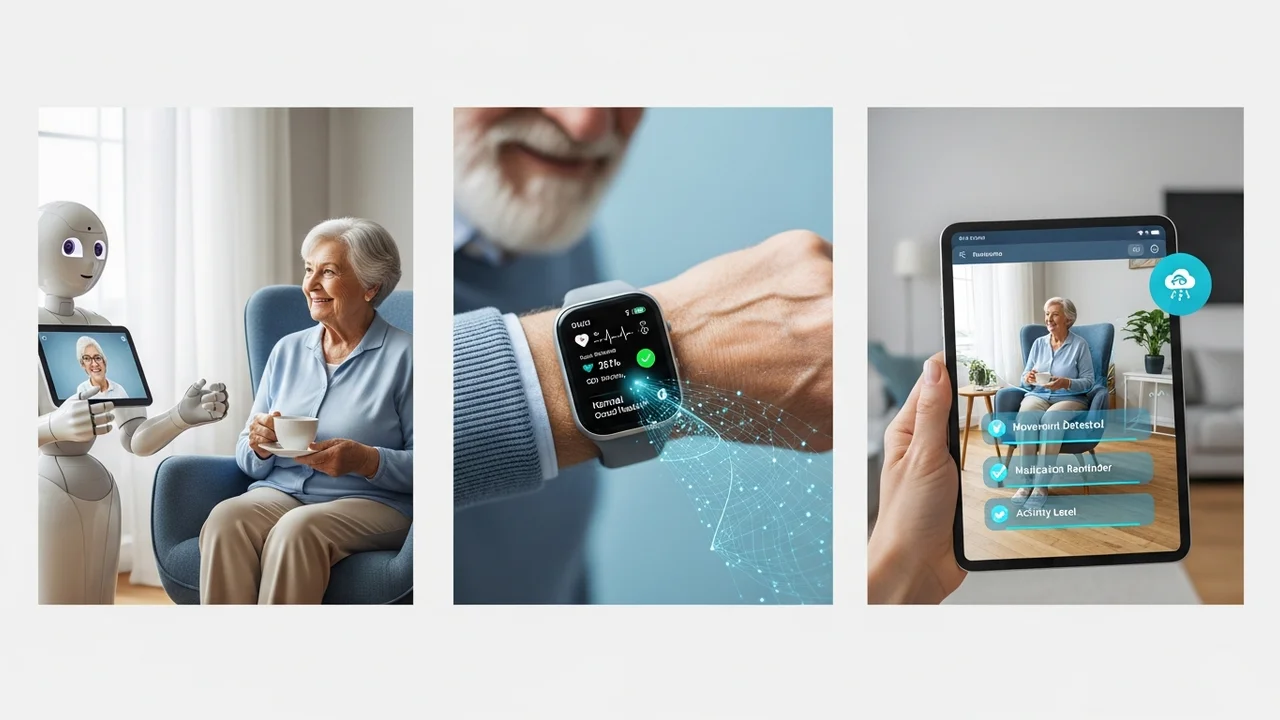
3 Top AI Innovations in Elderly Care
Evaluate the 3 most impactful AI innovations designed to support elderly patients.
Taking care of our aging population is becoming one of the biggest challenges of our time. As families get busier and healthcare systems get stretched thin, we are seeing a massive shift toward using technology to bridge the gap. It is not just about fancy gadgets; it is about keeping seniors safe, independent, and connected. Let’s dive into the three most impactful AI innovations that are changing the game for elderly care right now.
AI Powered Fall Detection and Prevention Systems
Falls are the number one cause of injury for seniors, and the fear of falling often keeps them from living active lives. Traditional medical alert buttons are great, but they rely on the senior actually pressing a button after they have already hit the ground. AI-powered systems are changing this by focusing on prevention and automatic detection.
Take the Vayyar Care system, for example. It uses 4D imaging radar to monitor a room without needing cameras, which is a huge win for privacy. It can detect if someone has fallen and alert caregivers immediately, even if the person is unconscious. Then there is SafelyYou, which uses AI video technology to analyze fall patterns and help staff understand why falls are happening in the first place. These systems usually cost anywhere from $50 to $200 per month depending on the level of monitoring. They are perfect for assisted living facilities or even private homes where family members want peace of mind without being intrusive.
Smart Medication Management and AI Adherence Tools
Managing a dozen different pills at different times of the day is a nightmare for many seniors. Missing a dose or taking the wrong one can lead to serious health complications. AI-driven medication management tools are stepping in to make sure the right pill is taken at the right time.
The Hero Health smart dispenser is a standout here. It is essentially a robot that stores, sorts, and dispenses medication. It connects to an app that notifies family members if a dose is missed. Another option is Pillo, which uses facial recognition to ensure the right person is taking the right medication. These devices typically range from $300 to $600 upfront, plus a monthly subscription fee for the connectivity features. They are incredibly useful for seniors living alone who are dealing with chronic conditions like hypertension or diabetes.
AI Virtual Companions and Cognitive Engagement Platforms
Loneliness is a silent epidemic among the elderly, and it has a direct impact on physical health. AI virtual companions are not meant to replace human interaction, but they provide a consistent presence that can help with cognitive stimulation and daily reminders.
Products like ElliQ are leading this space. ElliQ is a proactive social robot that initiates conversations, suggests activities, plays music, and even helps seniors stay in touch with their families via video calls. It is designed to be a companion rather than just a tool. Another approach is Intuition Robotics, which focuses on the emotional intelligence of the AI. These devices often cost around $250 to $500, plus a monthly service fee. They are best used for seniors who are experiencing early-stage cognitive decline or those who simply need a bit more social interaction throughout the day to keep their minds sharp.
Comparing the Best AI Elderly Care Solutions
When you look at these options side-by-side, it really comes down to what the specific need is. If safety is the primary concern, the radar-based systems like Vayyar are unbeatable because they don't require the senior to wear anything. If medication errors are the main worry, the Hero dispenser is the gold standard. For social isolation, ElliQ is the clear winner.
The pricing models are also something to keep in mind. Most of these companies have moved to a 'hardware plus subscription' model. You pay for the device, and then you pay a monthly fee for the cloud services, data monitoring, and app updates. It is worth checking if your local healthcare provider or insurance plan covers any of these costs, as some are starting to recognize the long-term savings of preventing a fall or a medication-related hospital visit.
At the end of the day, the best technology is the one that the senior actually uses. It is always a good idea to involve them in the selection process. If they feel like they are being 'watched' or 'controlled,' they might resist the technology. But if they see it as a way to stay in their own home longer, they are usually much more open to it. The tech is only going to get better, smaller, and more intuitive from here, making the future of aging in place look a lot brighter than it did even five years ago.
:max_bytes(150000):strip_icc()/277019-baked-pork-chops-with-cream-of-mushroom-soup-DDMFS-beauty-4x3-BG-7505-5762b731cf30447d9cbbbbbf387beafa.jpg)