3 Leading AI Lead Optimization Tools
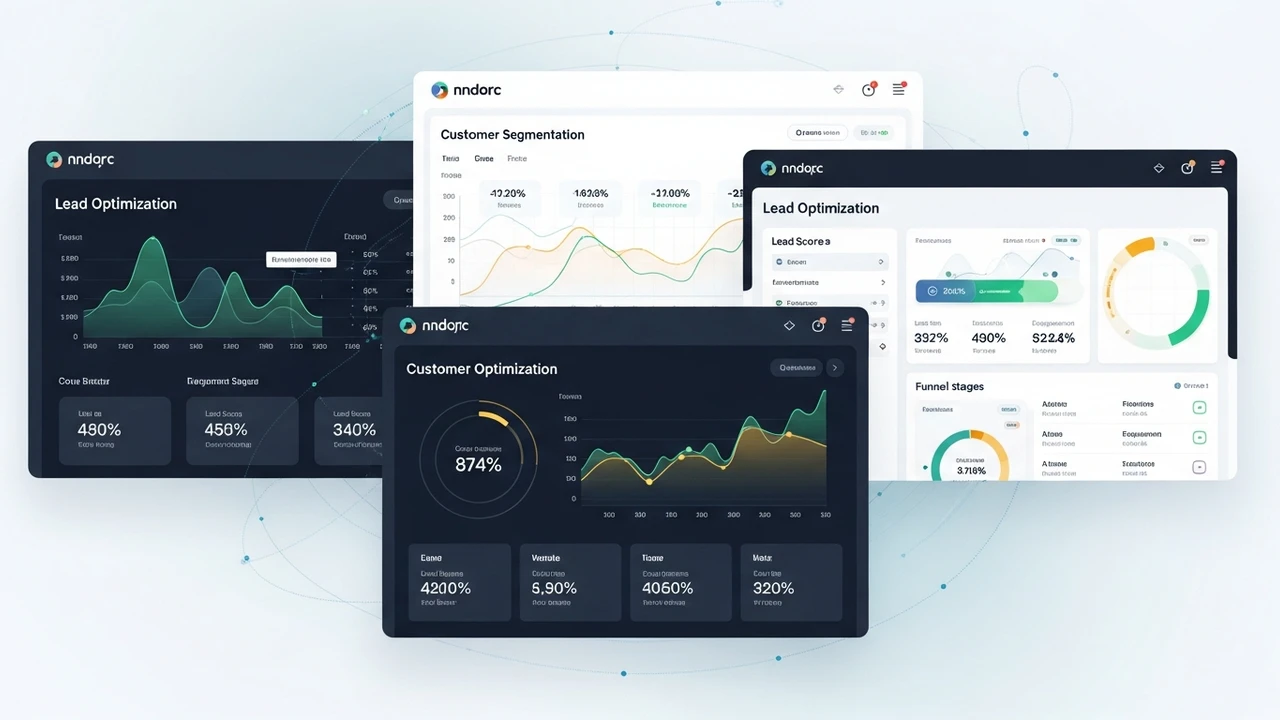
Review the 3 best AI tools for optimizing drug leads to improve efficacy and safety.
Review the 3 best AI tools for optimizing drug leads to improve efficacy and safety.
The drug discovery landscape is shifting rapidly, and if you are in the pharmaceutical R&D space, you know that the "lead optimization" phase is where most projects either soar or crash. It is the bottleneck of the entire pipeline. You have a promising molecule, but it needs better potency, lower toxicity, and better solubility. Traditionally, this meant years of trial and error in the wet lab. Today, AI is changing that game entirely. We are looking at three of the most powerful AI-driven platforms that are currently helping researchers refine their leads faster than ever before.
Understanding AI Lead Optimization Platforms and Their Impact on Drug Discovery
Lead optimization is essentially a balancing act. You are trying to maximize binding affinity while keeping the molecule's pharmacokinetic properties in check. AI models now allow us to simulate these interactions in silico, saving millions in lab costs. By using deep learning and generative chemistry, these tools can predict how a slight modification to a chemical structure will affect its performance in the human body. It is not just about speed; it is about precision. These platforms allow teams to explore chemical spaces that were previously considered too complex or too vast to map manually.
Top 3 AI Lead Optimization Tools for Modern Pharma
When we talk about the best tools, we are looking at platforms that offer robust predictive modeling, user-friendly interfaces, and integration with existing lab workflows. Here are the three that stand out:
1. Schrodinger Suite with FEP+
Schrodinger is arguably the gold standard in the industry. Their Free Energy Perturbation (FEP+) technology is a beast when it comes to predicting binding affinity. It is widely used by major pharma companies to prioritize which compounds to synthesize. The platform is incredibly accurate, often reaching experimental-level precision. It is perfect for teams that need to make high-stakes decisions on which chemical series to advance. While it is a premium product, the ROI in terms of reduced synthesis cycles is massive. Pricing is typically enterprise-level, often starting in the six-figure range depending on the scale of deployment.
2. Iktos Spaya
Iktos takes a different approach with its generative AI technology. Spaya is fantastic for retrosynthetic analysis and de novo design. If you have a lead that is hard to synthesize, Spaya can suggest alternative routes or modifications that maintain the desired biological activity while making the molecule easier to build in the lab. It is highly intuitive and acts like a co-pilot for medicinal chemists. It is particularly useful for small to mid-sized biotech firms looking to accelerate their internal pipelines without needing a massive computational chemistry department. They offer flexible licensing models that are more accessible than traditional legacy software.
3. Insilico Medicine Chemistry42
Insilico is a powerhouse in the AI drug discovery space. Their Chemistry42 platform is a generative chemistry engine that can design novel molecules from scratch based on specific target profiles. It is not just about optimizing existing leads; it is about finding the *best* possible lead from the start. It integrates multi-parameter optimization, meaning it balances potency, selectivity, and ADMET (Absorption, Distribution, Metabolism, Excretion, and Toxicity) properties simultaneously. It is a comprehensive solution for teams that want to move from target identification to lead optimization in a single, unified workflow.
Comparing AI Lead Optimization Software Features and Use Cases
Choosing the right tool depends on your specific bottleneck. If your primary issue is binding affinity accuracy, Schrodinger is the clear winner. If you are struggling with synthetic accessibility and want to generate new ideas, Iktos Spaya is your best bet. For those looking for an end-to-end generative approach that handles multi-parameter optimization, Insilico’s Chemistry42 is the industry leader. Most of these tools are cloud-based, allowing for seamless collaboration across global teams, which is a huge plus for companies with distributed R&D centers in the US and Southeast Asia.
Practical Implementation and Cost Considerations for Biotech Labs
Implementing these tools is not just about buying a license; it is about integrating them into your existing data infrastructure. You need clean, high-quality data to feed these models. Most vendors provide onboarding support, but expect a learning curve. Regarding costs, you are looking at a mix of subscription fees and, in some cases, per-project consulting fees. For a small startup, you might be looking at $50,000 to $100,000 annually for a robust platform, while large enterprises often spend millions on customized, multi-seat deployments. The key is to start with a pilot project to see which tool aligns best with your specific chemical series and therapeutic area. The shift toward AI-driven optimization is no longer a "nice to have"—it is becoming a requirement for staying competitive in the global drug discovery market.
:max_bytes(150000):strip_icc()/277019-baked-pork-chops-with-cream-of-mushroom-soup-DDMFS-beauty-4x3-BG-7505-5762b731cf30447d9cbbbbbf387beafa.jpg)