4 Leading Antibody Discovery Platforms
Compare the 4 best antibody discovery platforms for rapid therapeutic development.
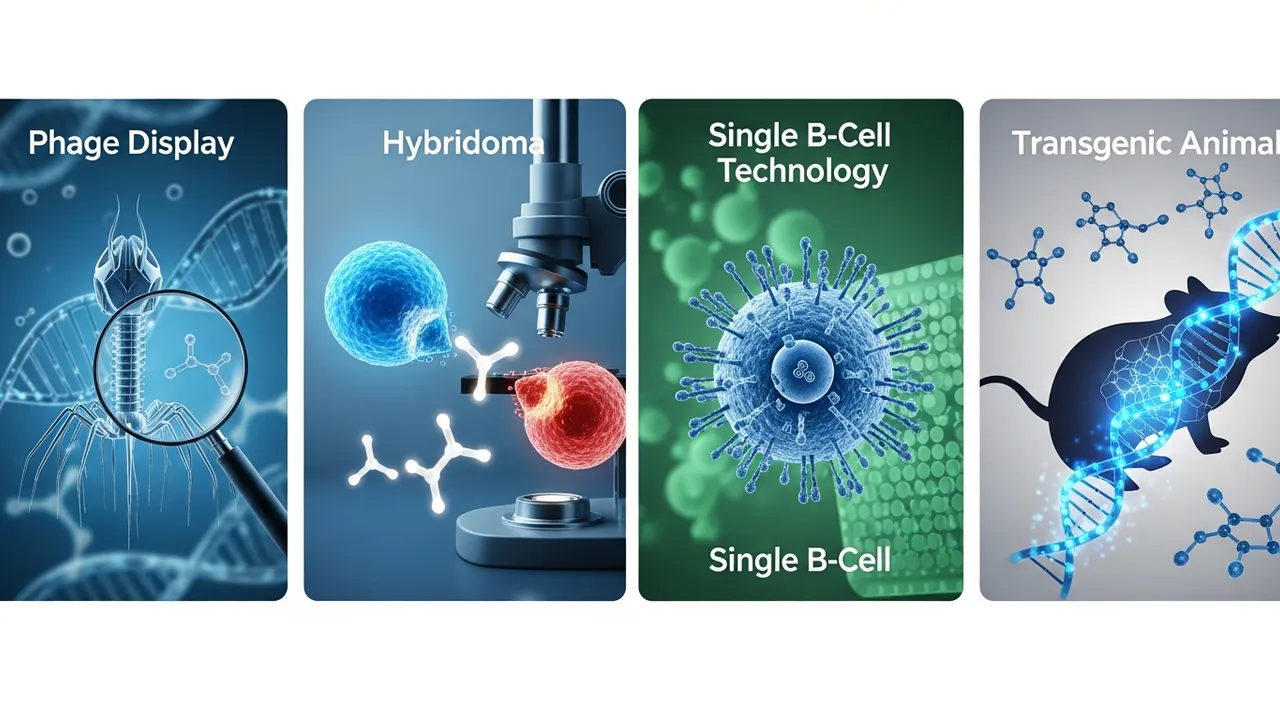
4 Leading Antibody Discovery Platforms
Compare the 4 best antibody discovery platforms for rapid therapeutic development.
If you have been following the biotech space lately, you know that antibody discovery is moving at breakneck speed. Gone are the days when we relied solely on slow, traditional hybridoma methods. Today, it is all about high-throughput screening, AI-driven design, and massive data processing. Whether you are a startup looking to break into the market or a research lab trying to optimize your pipeline, choosing the right platform is the single most important decision you will make. Let’s dive into the top four platforms that are currently changing the game.
AI-Driven Antibody Discovery and Design Platforms
The integration of artificial intelligence into antibody discovery has been nothing short of revolutionary. These platforms use deep learning to predict how an antibody will bind to an antigen, effectively cutting down the time spent in the wet lab. One of the standout players here is Absci. Their platform uses generative AI to design antibodies from scratch, which is a massive leap from just screening existing libraries. You are essentially asking a computer to build the perfect key for a specific lock. It is fast, it is precise, and it is incredibly efficient for complex targets that have historically been considered 'undruggable.'
High-Throughput Screening and Phage Display Technologies
When we talk about sheer volume, nothing beats the classic yet evolved power of phage display. Twist Bioscience has taken this to a new level with their silicon-based DNA synthesis. By creating massive, high-quality libraries, they allow researchers to screen millions of variants in a fraction of the time. This is perfect for those who need to find a needle in a haystack. The use case here is usually early-stage discovery where you need to cast a wide net to find candidates with high affinity and specificity. It is a workhorse technology that remains a staple in both US and Southeast Asian biotech hubs.
Comparison of Leading Antibody Discovery Software and Hardware
So, how do these platforms stack up against each other? If you are looking for speed and AI-native design, Absci is your go-to. If you need massive library diversity and proven reliability, Twist Bioscience is the industry standard. Then you have platforms like Berkeley Lights (now part of PhenomeX), which focus on single-cell analysis. Their Beacon system is incredible because it allows you to look at individual cells in real-time, ensuring you pick the best producers early on. It is like having a high-speed camera for your cell culture. Finally, we have companies like Adimab, which offer a yeast-based platform that is famous for its ability to produce antibodies that are highly stable and easy to manufacture. The trade-off? It is a more premium, service-heavy model compared to the DIY software-as-a-service approach.
Pricing Models and Implementation Costs for Biotech Labs
Let’s talk money, because that is usually the elephant in the room. Most of these platforms do not have a 'buy it off the shelf' price tag. Instead, they operate on a mix of licensing fees, service contracts, and milestone payments. For a typical mid-sized lab, you might be looking at an initial setup cost ranging from $50,000 to $250,000 for software access, plus ongoing service fees that can easily climb into the millions depending on the scope of your project. If you are a smaller startup, look for platforms that offer 'pay-per-project' models. This allows you to leverage their tech without the massive overhead of building your own infrastructure. Always negotiate for tiered pricing based on the number of targets you plan to screen annually.
Choosing the Right Platform for Your Research Pipeline
At the end of the day, the 'best' platform depends entirely on your specific goals. Are you trying to solve a structural biology puzzle? Go with an AI-heavy platform. Are you trying to manufacture a therapeutic at scale? Prioritize platforms with proven track records in developability and stability, like Adimab. The landscape is shifting toward integrated solutions where you can move from sequence to lead in weeks rather than months. Keep an eye on the interoperability of these tools—you want a platform that plays nice with your existing lab automation and data management systems. The future of antibody discovery is collaborative, automated, and increasingly digital, so make sure your choice today doesn't lock you out of the innovations coming tomorrow.
:max_bytes(150000):strip_icc()/277019-baked-pork-chops-with-cream-of-mushroom-soup-DDMFS-beauty-4x3-BG-7505-5762b731cf30447d9cbbbbbf387beafa.jpg)