3 Top Bioreactor Systems for Cell Culture
Evaluate the 3 most efficient bioreactor systems for large-scale cell culture and biomanufacturing.
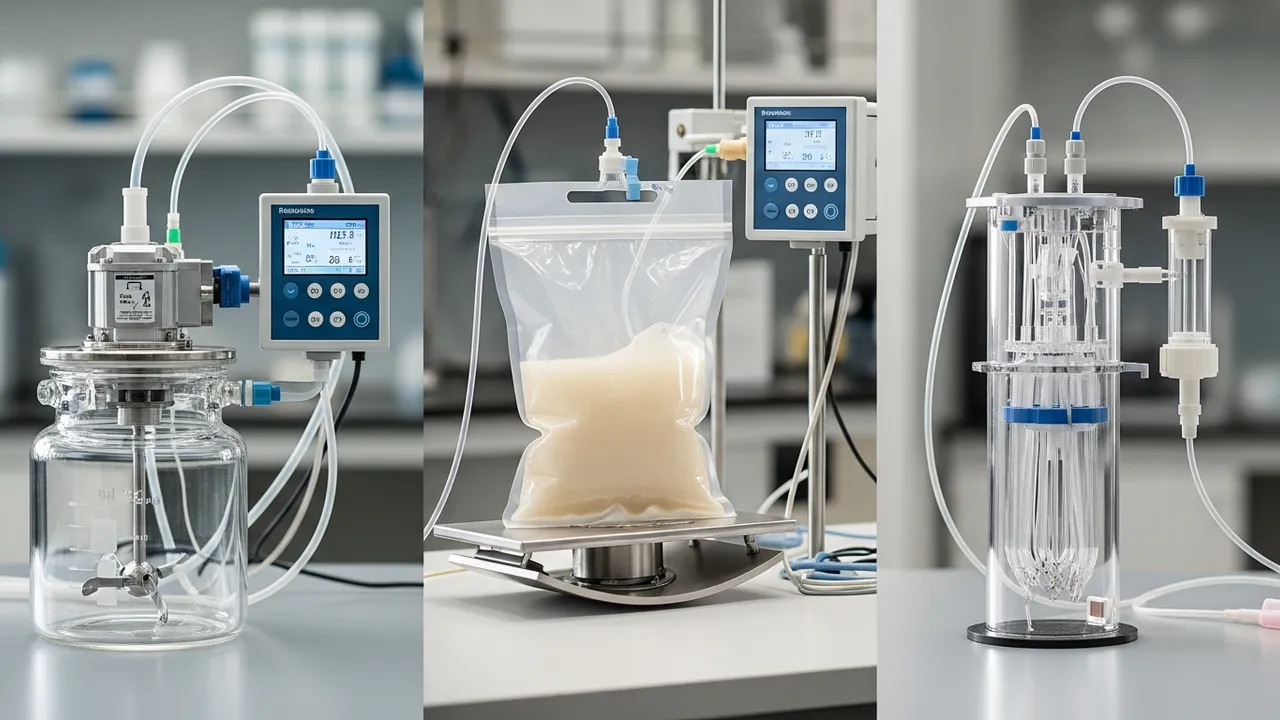
3 Top Bioreactor Systems for Cell Culture
Evaluate the 3 most efficient bioreactor systems for large-scale cell culture and biomanufacturing.
If you are deep into the world of biotech, you know that the bioreactor is essentially the heart of your entire operation. Whether you are scaling up for a clinical trial or trying to optimize your cell culture yields for commercial production, choosing the right system can make or break your project. It is not just about having a tank that stirs; it is about precision, scalability, and maintaining the delicate environment your cells need to thrive. Let’s dive into the top three bioreactor systems that are currently setting the standard in the industry.
Understanding Bioreactor Systems for Cell Culture Efficiency
When we talk about bioreactor systems, we are looking at the intersection of engineering and biology. The goal is simple: maximize cell density while maintaining viability. In the US and Southeast Asian markets, where biotech innovation is moving at breakneck speed, labs are shifting away from traditional glass vessels toward more sophisticated, automated, and single-use systems. These systems allow for better control over pH, dissolved oxygen, and temperature, which are the holy trinity of successful cell culture.
Top 3 Bioreactor Systems Comparison
Choosing between these systems depends heavily on your specific application—whether you are working with mammalian cells, microbial cultures, or specialized stem cell lines. Here is a breakdown of the top contenders.
1. Sartorius Ambr 250 High Throughput System
The Sartorius Ambr 250 is a game-changer for process development. It is designed to mimic large-scale bioreactors in a miniature format. It is perfect for labs that need to run multiple experiments simultaneously to find the optimal conditions for their cell lines. The automation here is top-tier, reducing the manual labor that usually leads to human error. It is widely used in the US for early-stage drug discovery and process optimization. Price-wise, you are looking at a significant investment, often starting in the six-figure range depending on the configuration, but the time saved in R&D is worth every penny.
2. Thermo Fisher Scientific HyPerforma Single Use Bioreactor
If you are looking for scalability, the HyPerforma series is the industry workhorse. These single-use bioreactors (SUBs) have revolutionized the industry by eliminating the need for time-consuming cleaning and sterilization validation. This is a massive advantage for companies in Southeast Asia looking to reduce overhead costs and speed up their manufacturing timelines. The HyPerforma systems are incredibly versatile, ranging from 50L to 2000L, making them ideal for clinical and commercial production. They are priced competitively for the value they provide, typically ranging from $50,000 to $250,000 depending on the scale and integrated sensors.
3. Eppendorf BioFlo Series
Eppendorf is a name synonymous with reliability. The BioFlo series is known for its robust design and exceptional control software. If you need a system that can handle complex fermentation or high-density cell culture with minimal downtime, this is your go-to. It is particularly popular in academic and clinical research settings where precision is non-negotiable. The user interface is intuitive, which is a huge plus for teams that need to get up and running quickly. Prices for these units vary widely based on the vessel size and control options, but they are generally considered a premium, long-term asset for any serious biotech lab.
Key Factors for Selecting Bioreactor Technology
When you are comparing these systems, you need to look at more than just the price tag. Consider the footprint of the equipment—do you have the lab space? Think about the software integration—can it talk to your existing data management systems? And most importantly, look at the support network. If you are operating in a region like Singapore or Vietnam, you want to ensure that the manufacturer has local technical support to help with maintenance and sensor calibration. Downtime is the enemy of productivity, and having a local expert who can troubleshoot your bioreactor in real-time is invaluable.
Optimizing Bioprocessing Workflows with Advanced Automation
The future of cell culture is undoubtedly automated. We are seeing a shift toward closed-loop systems where sensors feed data directly into AI-driven control software. This allows the bioreactor to make micro-adjustments to nutrient feed rates or gas flow without human intervention. This level of control not only increases yield but also ensures consistency across batches, which is a critical requirement for regulatory approval in the US and international markets. If you are still relying on manual sampling and adjustments, you are likely leaving a significant amount of efficiency on the table.
Cost Analysis and ROI for Biotech Labs
Investing in a high-end bioreactor system is a major capital expenditure. However, when you calculate the ROI, you have to factor in the cost of failed batches, the labor hours saved through automation, and the speed to market for your therapeutic products. For many startups, the initial cost of a single-use system like the HyPerforma is offset by the reduction in facility infrastructure costs, as you no longer need massive clean-in-place (CIP) and steam-in-place (SIP) systems. It is about shifting your budget from maintenance to innovation.
Future Trends in Bioreactor Design
Looking ahead, we expect to see even more integration of AI and machine learning into these systems. Imagine a bioreactor that can predict a contamination event before it happens or optimize the growth media composition in real-time based on metabolic data. We are already seeing the early stages of this with the latest software updates from major manufacturers. As these technologies become more accessible, the barrier to entry for high-quality biomanufacturing will continue to drop, opening up new opportunities for biotech firms across the globe to compete on a level playing field.
:max_bytes(150000):strip_icc()/277019-baked-pork-chops-with-cream-of-mushroom-soup-DDMFS-beauty-4x3-BG-7505-5762b731cf30447d9cbbbbbf387beafa.jpg)